DJI FPV vs Avata 2 – Check Which One Is Best & Why?

DJI FPV & DJI Avata 2 share many similarities, but there are also important differences, such as quality, performance, features, design, and connectivity. If you want the best one between them, I Would recommend the DJI FPV rather than the DJI Avata 2.
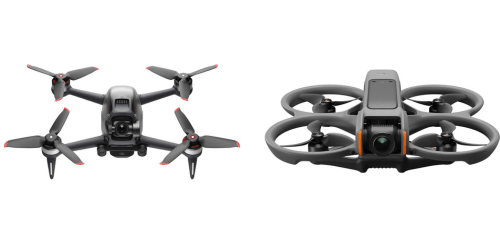
Why Do I Recommend The DJI FPV?

  • The DJI FPV features 140 km/h speed in Manual mode for extremely fast aerial racing and high-adrenaline flight experiences, whereas the DJI Avata 2 has a maximum speed of 97 km/h.
  • DJI FPV features 15 m/s ascent speed for rapid vertical climbs during freestyle maneuvers and quick obstacle clearance, while the DJI Avata 2 features a maximum ascent speed of 9 m/s.
  • It includes forward obstacle sensing to improve frontal collision awareness at high speeds, whereas the DJI Avata 2 uses downward and backward binocular sensors.
  • The DJI FPV comes with a 150° ultra-wide field of view camera for capturing expansive high-speed FPV footage with strong motion immersion, while the DJI Avata 2 features a 155° field of view.
  • DJI FPV supports DJI Goggles V2 for stable 810p live video transmission with low latency during aggressive racing flights, whereas the DJI Avata 2 supports DJI Goggles 3 with 1080p transmission.
  • It features an exposed propeller racing-style quadcopter frame for reduced aerodynamic resistance during fast forward flight, while the DJI Avata 2 comes with integrated propeller guards.
  • The DJI FPV has a larger 795 g aircraft mass for improved momentum and stability during high-speed outdoor flights in open environments, whereas the DJI Avata 2 has a lighter 377 g aircraft mass.
  • DJI FPV includes a 90 W battery charging power system for faster battery recharge cycles between flight sessions, while the DJI Avata 2 uses a 60 W charging system.

Maybe the DJI Avata 2 can make you comfortable because it’s a little bit cheaper than the DJI FPV. But you have to compromise all the above-mentioned features. Now the Decision is Yours. I hope it was helpful to choose the right one.

Side-by-Side Comparison

FeatureDJI FPVDJI Avata 2
Aircraft TypeTraditional FPV quadcopterCinewhoop FPV drone
Camera Sensor Size1/2.3-inch CMOS1/1.3-inch CMOS
Max Speed (Manual Mode)140 km/h97 km/h
Max Ascent Speed15 m/s9 m/s
Max Descent Speed10 m/s9 m/s
Obstacle SensorsForward + DownwardDownward + Backward binocular
StabilizationRockSteady EISRockSteady 3.0 + HorizonSteady
Max Wind Resistance39–49 km/h38 km/h
PriceCheck DJI FPV PriceCheck DJI Avata 2 Price

What Common Both Can Do?

  • Brand: Both drones are developed by DJI, a manufacturer known for producing advanced consumer and professional drones. This ensures similar design philosophy, software ecosystem, and firmware support across both models.
  • Drone Category: Both models belong to the FPV drone category designed for immersive first-person flight experiences. This allows pilots to control the drone while viewing the camera feed through FPV goggles for a more engaging flying style.
  • Photo Resolution: Both drones capture still images at 12 megapixels. This resolution is sufficient for aerial photography, social media sharing, and general drone imaging tasks.
  • Video Resolution: Each drone supports 4K video recording. Recording in 4K allows detailed aerial footage that remains sharp even when edited or cropped during post-production.
  • Video Codec: Both drones support H.264 and H.265 video compression formats. These codecs allow efficient video recording with manageable file sizes while maintaining high image quality.
  • Electronic Image Stabilization: Both drones include electronic image stabilization technology. This helps reduce vibrations and movement from the drone to create smoother video footage during flight.
  • GPS Positioning: Both drones use GPS positioning for stable hovering and accurate navigation. GPS also enables features such as automatic return-to-home and improved flight stability.
  • Return to Home: Both models support the Return-to-Home safety function. This allows the drone to automatically fly back to its takeoff point if the signal is lost or the battery becomes low.
  • Emergency Brake: Each drone includes an emergency brake function. This feature allows the drone to stop quickly in the air to help prevent collisions or accidents.
  • Hover Capability: Both drones are capable of stable hovering when GPS and sensors are active. Stable hovering makes aerial filming easier and helps pilots maintain precise positioning.
  • Downward Vision Sensors: Both drones include downward vision sensors for positioning assistance. These sensors help maintain stable flight when flying at low altitudes or indoors where GPS signals may be weaker.
  • Battery Type: Both drones use lithium-polymer intelligent flight batteries. Intelligent batteries include built-in power management systems that help monitor battery health and improve flight safety.
  • Operating Temperature: Both drones are designed to operate between −10°C and 40°C. This range allows them to function in a wide variety of environmental conditions during outdoor flight.
  • MicroSD Card Support: Each drone supports microSD card storage for recording photos and videos. Removable storage allows users to easily transfer footage to computers or editing devices.
  • FPV Goggles Support: Both drones are compatible with FPV goggles for immersive flying. FPV goggles display the live camera feed directly in front of the pilot’s eyes, creating a first-person flight experience.
  • Manual Flight Mode: Both drones include a manual flight mode designed for experienced pilots. This mode removes certain stabilization limits and allows greater control over the drone’s movement.
  • RockSteady Stabilization: Both models use DJI’s RockSteady stabilization technology. This digital stabilization system helps maintain smooth video even during fast movements or aggressive flight.
  • Remote Controller Support: Each drone supports a dedicated DJI remote controller for precise flight control. Using a remote controller allows pilots to manage speed, direction, camera settings, and flight modes efficiently.
  • Live HD Video Transmission: Both drones provide real-time HD video transmission to the goggles. This live feed allows pilots to monitor framing, navigation, and obstacles during flight.

Common Features

FeatureDJI FPVDJI Avata 2
BrandDJIDJI
Drone CategoryFPV droneFPV drone
Photo Resolution12 MP12 MP
Video Resolution4K recording4K recording
Video CodecH.264 / H.265H.264 / H.265
Electronic Image StabilizationYesYes
GPS PositioningYesYes
Return to HomeYesYes
Emergency BrakeYesYes
Hover CapabilityYesYes
Downward Vision SensorsYesYes
Battery TypeLi-Po intelligent batteryLi-Po intelligent battery
Operating Temperature−10°C to 40°C−10°C to 40°C
MicroSD Card SupportYesYes
FPV Goggles SupportYesYes
Manual Flight ModeYesYes
RockSteady StabilizationYesYes
Remote Controller SupportYesYes
Live HD Video TransmissionYesYes
Price Check DJI FPV Price
Check DJI Avata 2 Price

FAQ

Which drone has better video quality, DJI FPV or DJI Avata 2?
DJI Avata 2 provides higher video capabilities with 4K recording up to 100fps and a larger 1/1.3-inch camera sensor. DJI FPV records 4K video up to 60fps using a smaller 1/2.3-inch sensor.

Which drone is faster between DJI FPV and DJI Avata 2?
DJI FPV is significantly faster and can reach a maximum speed of about 140 km/h in Manual mode. DJI Avata 2 has a lower maximum speed of around 97 km/h.

Is DJI Avata 2 safer to fly than DJI FPV?
DJI Avata 2 is designed with integrated propeller guards that protect the propellers and surrounding objects. DJI FPV uses exposed propellers which require more careful flight control and open flying spaces.

Which drone has longer flight time?
DJI Avata 2 has a slightly longer maximum flight time of around 23 minutes. DJI FPV provides a maximum flight time of approximately 20 minutes.

Does DJI FPV or DJI Avata 2 have internal storage?
DJI Avata 2 includes built-in internal storage of about 46 GB for recording footage without a memory card. DJI FPV does not include internal storage and requires a microSD card.

Which drone has a better video transmission system?
DJI Avata 2 uses the newer O4 video transmission system which supports higher resolution live feed and longer transmission distance. DJI FPV uses the older OcuSync 3.0 transmission system.

Are both drones compatible with FPV goggles?
Both drones support DJI FPV goggles for immersive flying. DJI FPV works with DJI Goggles V2, while DJI Avata 2 is compatible with the newer DJI Goggles 3.

Do both drones support manual flight mode?
Yes, both DJI FPV and DJI Avata 2 support manual flight mode for experienced pilots. Manual mode allows full control over throttle, roll, pitch, and yaw without automatic stabilization limits.

Which drone is easier for beginners to fly?
DJI Avata 2 is generally easier for beginners because of its protective propeller guards, slower maximum speed, and improved stabilization systems. DJI FPV is designed more for pilots who want faster and more aggressive flight performance.

Can both drones record 4K video?
Yes, both DJI FPV and DJI Avata 2 can record 4K video. However, DJI Avata 2 supports higher frame rates which allow smoother slow-motion footage.

Do both drones support GPS positioning?
Both drones use GPS positioning systems to maintain stable hovering and assist with navigation features. GPS also enables automatic safety functions such as Return-to-Home.

Which drone is better for indoor flying?
DJI Avata 2 is more suitable for indoor or tight-space flying because its propeller guards protect the drone and nearby objects. DJI FPV is better suited for open outdoor environments.

Do DJI FPV and DJI Avata 2 support return-to-home safety features?
Yes, both drones include the Return-to-Home feature which automatically brings the drone back to its takeoff location if the signal is lost or the battery becomes low.

Which drone is better for cinematic FPV footage?
DJI Avata 2 is generally better for cinematic FPV footage because of its improved stabilization systems, higher frame-rate recording, and cinewhoop design that allows smoother close-range shots.