DJI Neo vs Hoverair X1 – Check Which One Is Best & Why?

DJI Neo & HoverAir X1 share many similarities, but there are also important differences, such as quality, performance, features, design, and connectivity. If you want the best one between them, I Would recommend the DJI Neo rather than the HoverAir X1.
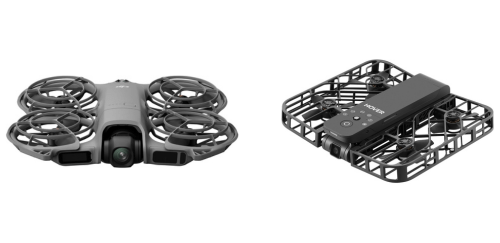
Why Do I Recommend The DJI Neo?

  • The DJI Neo features 4K 3840×2160 video recording for capturing sharper aerial footage with more detail and flexibility for cropping during editing, whereas the HoverAir X1 records at 2.7K 2704×1520 resolution.
  • DJI Neo comes with up to 18 minutes of flight time for longer uninterrupted filming sessions and fewer battery swaps during outdoor shoots, while the HoverAir X1 has about 11.5 minutes of maximum flight time.
  • It supports up to 6 km video transmission distance for capturing footage from significantly farther locations and maintaining control over wide landscapes, whereas the HoverAir X1 operates at a short-range 30 m distance.
  • The DJI Neo features a 1/2-inch CMOS camera sensor for capturing images with improved light sensitivity and better detail in low-light environments, while the HoverAir X1 uses a smaller 1/2.3-inch CMOS sensor.
  • DJI Neo includes compatibility with DJI FPV goggles for immersive first-person flight viewing and more precise framing while recording dynamic aerial shots, whereas the HoverAir X1 does not support FPV goggles.
  • It supports remote controller control for more precise manual flight adjustments and stable cinematic camera movements, while the HoverAir X1 primarily relies on smartphone app automation.
  • The DJI Neo features a maximum 16 m/s flight speed for covering larger filming areas quickly and tracking fast-moving subjects more effectively, while the HoverAir X1 reaches approximately 6.7 m/s.
  • DJI Neo includes GNSS positioning with GPS and GLONASS for maintaining stable hovering and more accurate outdoor positioning during flight, whereas the HoverAir X1 does not include GNSS satellite positioning.

Maybe the HoverAir X1 can make you comfortable because it’s a little bit cheaper than the DJI Neo. But you have to compromise all the above-mentioned features. Now the Decision is Yours. I hope it was helpful to choose the right one.

Side-by-Side Comparison

FeatureDJI NeoHoverAir X1
Camera Sensor Size1/2-inch CMOS1/2.3-inch CMOS
Maximum Video Resolution3840 × 2160 @30fps2704 × 1520 @30fps
Maximum Flight Time18 min11.5 min
Battery Capacity1435 mAh Li-ion1050 mAh Li-ion
Maximum Speed16 m/s6.7 m/s
Maximum Ascent Speed3 m/sNot specified
Maximum Descent Speed2 m/sNot specified
Maximum Transmission Distance6 km30 m operating distance
ConnectivityO4 digital transmission / Wi-FiDual-band Wi-Fi
GNSS SupportGPS, GLONASSNot supported
Maximum Wind Resistance8 m/sLevel 4 wind resistance
Maximum Takeoff Altitude2000 m15 m max flight height
Gimbal StabilizationSingle-axis mechanical gimbalElectronic stabilization
Control MethodsSmartphone, remote controller, FPV gogglesApp control, autonomous modes
FPV Goggles SupportDJI Goggles compatibleNot supported
Operating Temperature−10 °C to 40 °CNot specified
PriceCheck DJI Neo PriceCheck HoverAir X1 Price

What Common Both Can Do?

  • Compact Mini Drone Design: Both drones use a compact mini-drone design that allows users to carry them easily in small bags or even pockets. This portability makes them practical for travel, outdoor activities, and spontaneous aerial recording without requiring bulky equipment.
  • Palm Takeoff: Both drones support palm takeoff, allowing users to launch the drone directly from their hand without needing a landing pad. This feature simplifies operation in outdoor environments such as beaches, hiking trails, or crowded locations.
  • Palm Landing: Both devices allow palm landing, meaning the drone can safely return and land in the user’s hand. This makes retrieval easier and reduces the risk of damage when landing on uneven or dusty surfaces.
  • Built-in Camera: Each drone includes a built-in camera designed for aerial photography and video capture. This integrated camera system enables users to record footage immediately without attaching external cameras.
  • 12 MP Photo Capture: Both drones capture still images at approximately 12 megapixels. This resolution is sufficient for social media, personal photography, and casual aerial photography with clear detail.
  • Video Recording Capability: Each model supports onboard video recording for capturing aerial footage. This allows users to create short videos, vlogs, and travel clips directly from the drone.
  • Electronic Image Stabilization: Both drones use electronic stabilization technology to reduce shakiness in video footage. Stabilization helps produce smoother recordings during movement or when flying in light wind conditions.
  • Smartphone App Control: Both drones connect to smartphone apps for configuration, monitoring, and control. Using a mobile app simplifies setup, camera settings, and viewing the live video feed.
  • Autonomous Flight Modes: Both models support automated flight modes that perform predefined movements such as tracking or orbiting. These modes help users capture cinematic shots without manually piloting complex flight paths.
  • Subject Tracking: Both drones can track a subject automatically during flight. This feature is useful for recording activities such as walking, cycling, or running while keeping the subject centered in the frame.
  • Internal Storage: Each drone includes built-in storage for saving photos and videos. Internal memory eliminates the need for external memory cards and ensures that recordings can be saved immediately.
  • USB-C Charging Port: Both devices charge using a USB-C connection. USB-C charging allows users to recharge the drone using common chargers, power banks, or laptops.
  • Obstacle-Protected Propeller Frame: Both drones include protective structures around the propellers. These guards reduce the chance of damage during indoor flights or accidental contact with objects.
  • Lightweight Sub-150 g Class: Each drone weighs under approximately 150 grams. This lightweight design improves portability and can simplify regulatory requirements in many regions.
  • AI-Based Flight Automation: Both drones use artificial intelligence for automated flight behaviors such as tracking and smart filming modes. AI processing allows the drone to analyze the environment and follow subjects more effectively.
  • Gesture or Quick Launch Modes: Both drones include simplified launch or quick-record modes designed for fast operation. These modes help users start recording quickly without adjusting complex flight settings.
  • Self-Flying Camera Functionality: Each drone is designed to function as a self-flying camera that automatically captures footage. This concept focuses on ease of use so beginners can capture aerial videos without advanced drone piloting skills.
  • Consumer-Level Aerial Video Recording: Both drones are designed primarily for casual aerial video and photography. They target users who want quick, automated filming rather than complex professional drone operations.

Common Features

FeatureDJI NeoHoverAir X1
Compact Mini Drone DesignYesYes
Palm TakeoffYesYes
Palm LandingYesYes
Built-in CameraYesYes
12 MP Photo CaptureYesYes
Video Recording CapabilityYesYes
Electronic Image StabilizationYesYes
Smartphone App ControlYesYes
Autonomous Flight ModesYesYes
Subject TrackingYesYes
Internal StorageYesYes
USB-C Charging PortYesYes
Obstacle-Protected Propeller FrameYesYes
Lightweight Sub-150 g ClassYesYes
AI-Based Flight AutomationYesYes
Gesture or Quick Launch ModesYesYes
Self-Flying Camera FunctionalityYesYes
Consumer-Level Aerial Video RecordingYesYes
Price Check DJI Neo Price
Check HoverAir X1 Price

FAQ

Which drone has better video quality, DJI Neo or HoverAir X1?
DJI Neo records video at 4K resolution, while HoverAir X1 records at 2.7K. The higher resolution on DJI Neo allows sharper footage, more editing flexibility, and better clarity when cropping or stabilizing video during post-production.

Which drone has longer flight time?
DJI Neo has a longer flight time of around 18 minutes per battery, whereas HoverAir X1 typically flies for about 11 to 11.5 minutes. The longer endurance allows DJI Neo to capture more footage before needing to recharge or replace the battery.

Is DJI Neo or HoverAir X1 easier for beginners?
HoverAir X1 is designed primarily for beginner-friendly operation with fully automated flight modes and simple launch options. DJI Neo is also beginner friendly but provides additional control features that may appeal to users who want more manual flying capability.

Can both drones take off from your hand?
Yes, both DJI Neo and HoverAir X1 support palm takeoff and landing. This allows users to launch and recover the drone directly from their hand without needing a landing pad or flat ground.

Do DJI Neo and HoverAir X1 support subject tracking?
Both drones include subject tracking features that automatically follow a person or object while filming. This function is useful for capturing walking, running, or outdoor activities while keeping the subject centered in the frame.

Which drone is more portable?
Both drones are very portable because they weigh under about 150 grams. However, HoverAir X1 has a foldable design that reduces its size when stored, while DJI Neo uses a compact fixed frame with integrated propeller protection.

Do DJI Neo and HoverAir X1 require a remote controller?
HoverAir X1 primarily operates using automated modes through a smartphone app and does not require a traditional controller. DJI Neo can also be controlled with a smartphone but additionally supports dedicated controllers and FPV goggles for more advanced control.

Do these drones have built-in storage?
Yes, both DJI Neo and HoverAir X1 include internal storage for photos and videos. This means users can record footage without inserting a memory card, making the drones easier to operate for quick recording.

Which drone has a longer control range?
DJI Neo has a significantly longer transmission range that can reach several kilometers when used with compatible control systems. HoverAir X1 is designed for close-range filming and typically operates within a short distance from the user.

Can DJI Neo and HoverAir X1 be used indoors?
Yes, both drones can be used indoors thanks to their lightweight design and propeller protection. Indoor use is common for quick social media videos or capturing footage in small spaces.

Are DJI Neo and HoverAir X1 safe to fly near people?
Both drones include protective propeller structures that reduce the chance of injury or damage during close-range filming. These guards allow the drones to safely fly around users while recording selfies or group videos.

Do these drones support automated filming modes?
Yes, both drones include automated flight modes designed to capture cinematic clips without manual piloting. These modes typically include actions such as following, orbiting, and framing subjects automatically.

Which drone is better for travel content and social media videos?
Both drones work well for travel and social media because they are small, easy to launch, and capable of capturing aerial footage quickly. DJI Neo may appeal to users who want higher resolution video, while HoverAir X1 suits users who prioritize simplicity and quick automated filming.

Are DJI Neo and HoverAir X1 suitable for professional filmmaking?
These drones are mainly designed for casual creators and quick aerial filming rather than professional cinematic production. They work best for personal videos, social media clips, and travel footage where portability and ease of use are more important than advanced camera controls.